




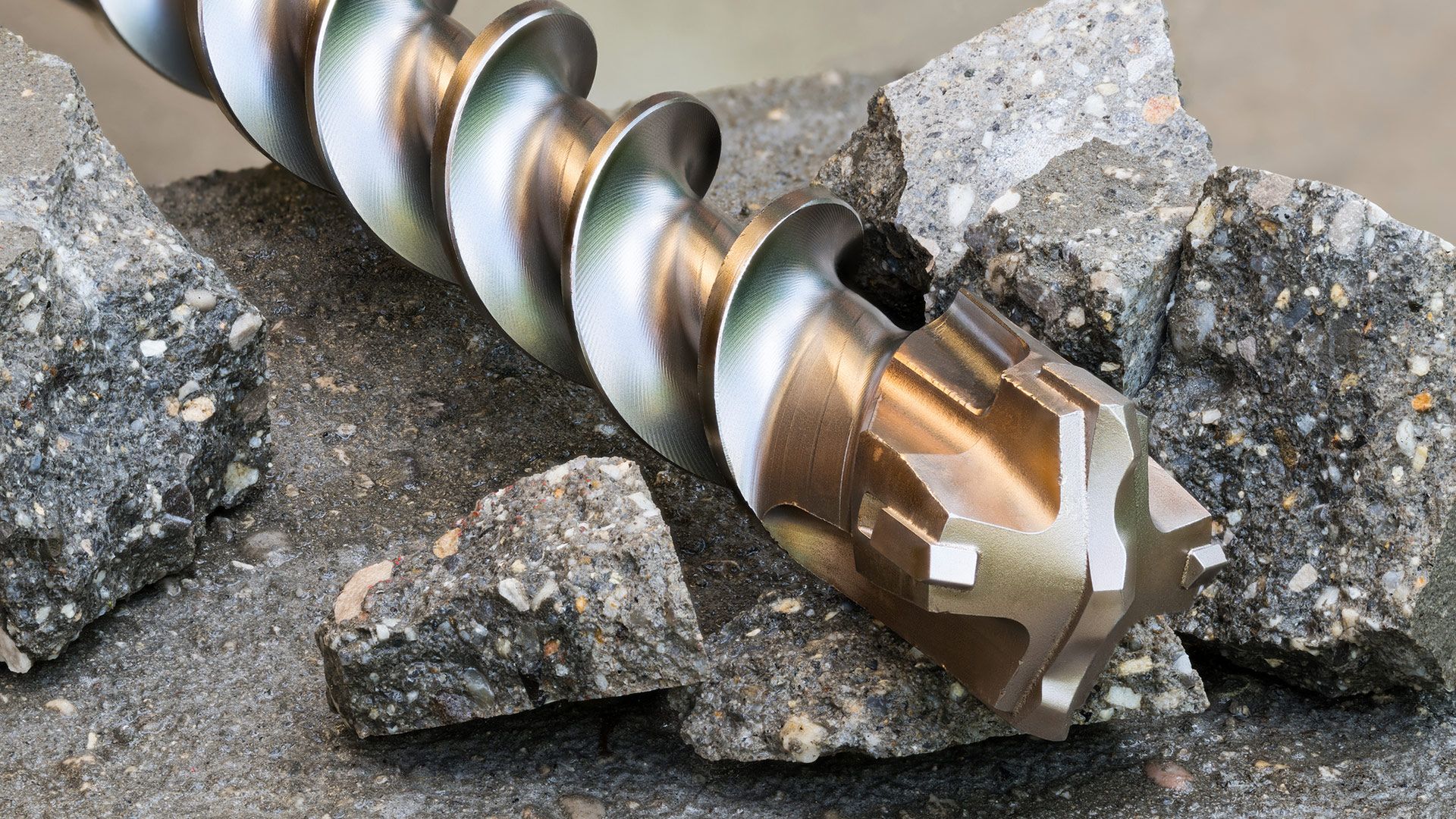
3D printing with one of the world’s hardest Tungsten-based materials is now possible — material’s incredible hardness made it difficult to additively manufacture
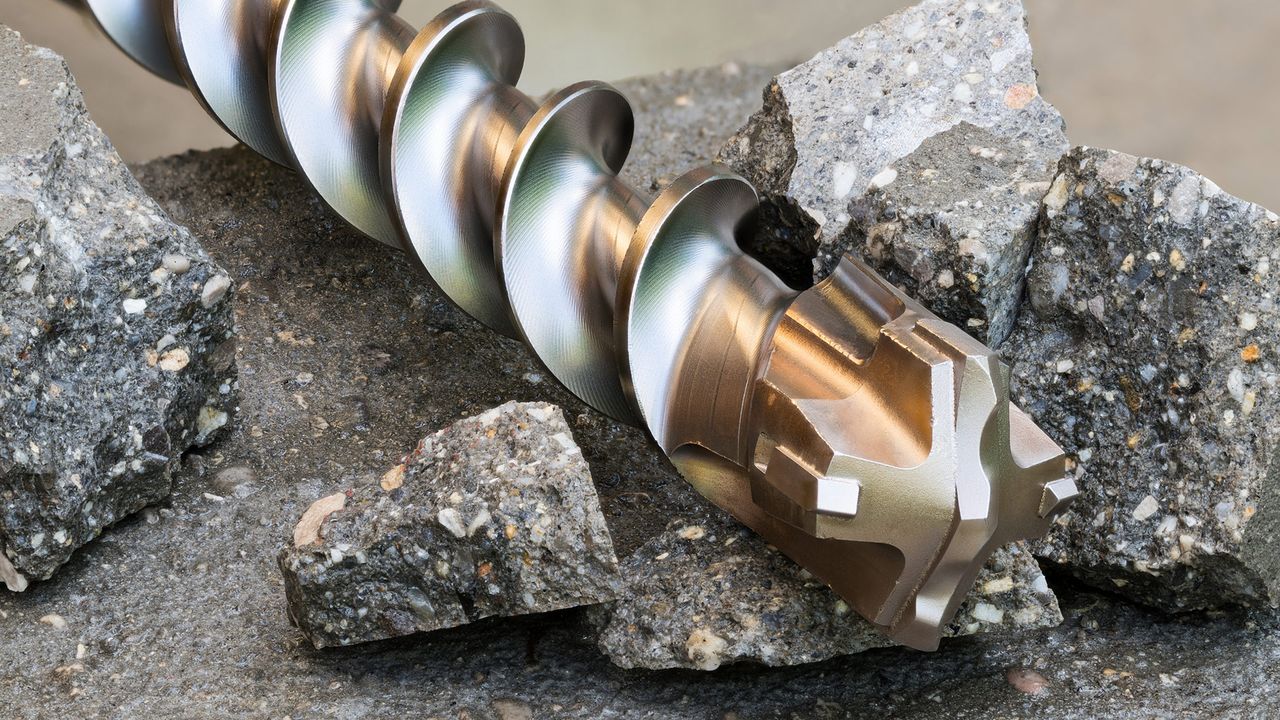
Scientists based at Hiroshima University have devised a novel way to 3D print one of hardest engineering materials used by industry.
Ultra-hard materials are very attractive for cutting and construction tools, yet their innate toughness makes them very difficult to additively manufacture, successfully. Rising to the challenge, Japanese researchers have managed to make use of super-tough tungsten carbide–cobalt (WC–Co) material in additive manufacturing “by softening them rather than fully melting them” during the process. Moreover, the research team asserts that this new 3D printing tech reduces waste compared to traditional manufacturing.
The Hiroshima University blog describes the WC-Co 3D printing process as a ‘hot-wire irradiation method.’ It is claimed that using this hot-wire laser irradiation (also called laser hot-wire welding) technique a laser beam softens a cemented carbide rod, without fully melting it and causing grain growth, to build an additive manufactured structure. Then, to achieve the best results, a nickel alloy-based middle layer was inserted between additive layers.
Importantly, this ‘softening not melting’ technique means that the finished 3D printed material retains a “hardness of over 1400 HV, without introducing any defects or decomposition.” This hardness level is just below super-hard materials like sapphire and diamond, and pretty amazing for 3D printed output.
“The approach of forming metal materials by softening them rather than fully melting them is novel, and it has the potential to be applied not only to cemented carbides, which were the focus of this study, but also to other materials,” said Keita Marumoto, an assistant professor at Hiroshima University’s Graduate School of Advanced Science and Engineering.
Going forward, the research team, which also consists of Takashi Abe, Keigo Nagamori, Hiroshi Ichikawa, Akio Nishiyama, and Motomichi Yamamoto, are aiming to implement various process refinements. Specifically, the scientists hope to eliminate some cracking issues they have experienced using the current process, and develop their process to create more complex shapes.
Follow Tom’s Hardware on Google News, or add us as a preferred source, to get our latest news, analysis, & reviews in your feeds.